
Understanding ESG Reporting Essentials for SMEs
Sustainability is no longer just a trend or new normal. It’s a vital part of how businesses operate today. If you run a small or medium-sized enterprise, you might wonder how to start with ESG reporting. ESG stands for Environmental, Social, and Governance. It’s a way to measure how your business impacts the world around it.
It helps you track your company's impact on people and the planet. This guide simplifies ESG reporting for SMEs with easy steps, tools, and examples.
Why ESG Reporting Essentials Matter for Your Business
ESG reporting helps you show your commitment to sustainability. It also builds trust with customers, partners, and investors. For SMEs, it can seem overwhelming at first. But starting small and focusing on key areas makes it easier. You don’t need to be an expert or have a big budget. The goal is to be transparent and improve over time.
Here’s why you should care:
Attract new customers who value sustainability.
Meet legal and market expectations that are growing worldwide.
Reduce risks by managing environmental and social impacts.
Save costs through efficient resource use.
Boost your brand reputation and employee satisfaction.
By understanding the essentials of ESG reporting, you take control of your business’s future. You also contribute to a greener, fairer economy.

How SMEs Can Start ESG Reporting Step by Step
Start by gathering basic information about your business’s environmental, social, and governance practices. You don’t need fancy tools right away. Use what you have and build from there.
Step 1: Identify Key ESG Areas
Focus on what matters most to your business and stakeholders. For example:
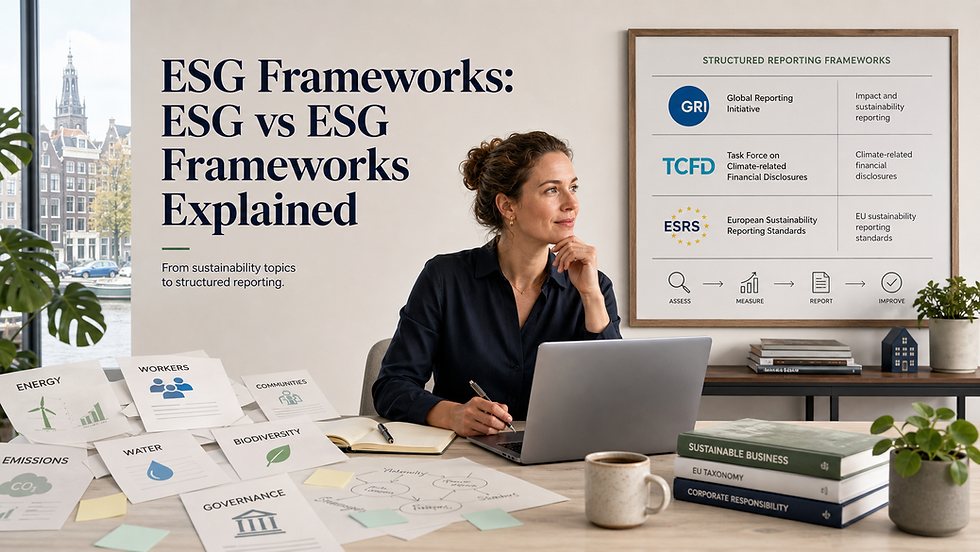
Environmental: Energy use, waste management, water consumption, carbon footprint.
Social: Employee wellbeing, diversity, community engagement, customer satisfaction.
Governance: Ethical policies, transparency, risk management, compliance.
Step 2: Gather and Organise Data
Track simple metrics such as energy bills, waste levels, or team training hours. Use a basic spreadsheet or our free tool, Greennect Workspace Audit, to organise your data.
Step 3: Set Goals
Create realistic targets, such as:
Reduce energy use by 10% next year.
Improve staff training participation.
Step 4: Report Clearly
Write a short report or summary. Explain what you measure, your goals, and progress. Use plain language and visuals, such as charts or tables.
Step 5: Review and Improve
Check your data regularly. ESG reporting isn’t a one-time task; it’s a journey of continuous improvement.
For deeper insights, check out ESG reporting basics for SMEs for more tips and resources.

What are the 7 Principles of ESG?
Understanding the core principles behind ESG helps you focus your efforts. These seven principles guide your approach to ESG reporting and performance.
Materiality - Focus on issues that matter most to your business and stakeholders.
Stakeholder Inclusiveness: Engage those affected by your business decisions.
Sustainability Context: Consider your business's impact on the broader environment and society.
Completeness - Cover all relevant ESG topics and report transparently.
Consistency - Use consistent methods and metrics over time.
Balance - Present both positive and negative impacts honestly.
Comparability - Make your data comparable with other businesses or standards.
By applying these principles, you ensure your ESG reporting is meaningful and trustworthy. They help you avoid common pitfalls, such as greenwashing or incomplete disclosures.
Learn more from trusted sources like the UN Global Compact Principles or the Global Reporting Initiative (GRI) Standards.
Practical Tips to Make ESG Reporting Work for You
You don’t need to overhaul your business overnight. Here are some practical tips to keep ESG reporting manageable and effective:
Start small: Pick one or two ESG areas to focus on first.
Use existing data: Look at your current records before collecting new data.
Involve your team: Encourage employees to share ideas and take ownership.
Leverage technology: Use simple tools like spreadsheets or free apps.
Communicate regularly: Share progress with your team and customers.
Learn from others: Look at examples from similar businesses or sectors.
Seek expert help: Consider consulting with ESG specialists if needed.
Remember, ESG reporting is about progress, not perfection. Every step you take adds value.
How ESG Reporting Supports Greener Workplaces
Creating a greener workplace benefits everyone. It reduces costs, improves health, and boosts morale. ESG reporting helps you track these improvements and show your commitment.
Here’s how to use ESG reporting to make your workplace greener:
Measure energy use: Track electricity and heating consumption.
Reduce waste: Implement recycling and composting programmes.
Promote sustainable commuting by encouraging cycling, walking, and public transportation.
Improve indoor air quality by using plants and proper ventilation.
Support wellbeing: Offer flexible work options and wellness activities.
By reporting on these actions, you demonstrate leadership in sustainability. It also helps you identify new opportunities to improve.

Taking the Next Step with ESG Reporting
ESG reporting is a powerful tool for your business. It helps you manage risks, seize opportunities, and build trust. Start with the basics and grow your efforts over time. Use clear goals, simple data, and honest communication.
If you want to learn more about how to make ESG reporting easy and effective, visit ESG Reporting Basics for SMEs. Greennect is here to help Dutch SMEs create greener workplaces and navigate ESG reporting without stress.
Take the first step today. Your business and the environment will thank you.


Comments